
Bifacial Modules and Single-Axis Trackers: The Design Decisions That Affect 20-Year Returns
Bifacial module technology combined with single-axis tracking has become the default configuration for utility-scale solar in Europe over the past three years. The combination delivers higher energy yield per installed kilowatt-peak than fixed-tilt monofacial systems — but it also introduces design complexity that not every EPC contractor handles with equal rigour.
For investors and developers, understanding where the design decisions are made — and what can go wrong — is directly relevant to long-term asset performance.
How bifacial gain is modelled
A bifacial module captures light on both the front face and the rear face. The rear-side contribution — the bifacial gain — depends on the albedo of the ground surface, the height of the module above the ground, row spacing, and structural shading from the mounting system.
Bifacial gain in European projects typically ranges from 5% to 15% of front-side output depending on site conditions. The variance matters because gain is modelled differently by different software tools, and the assumptions behind the model are not always disclosed in the project documentation.
A common issue in TDD engagements: the yield model shows 12% bifacial gain, but the row pitch design results in significant rear-side shading from the tracker structure. Corrected gain is closer to 7%. On a 100 MWp project, that difference affects the revenue model meaningfully over a 25-year asset life.
Tracker reliability: what the O&M data shows
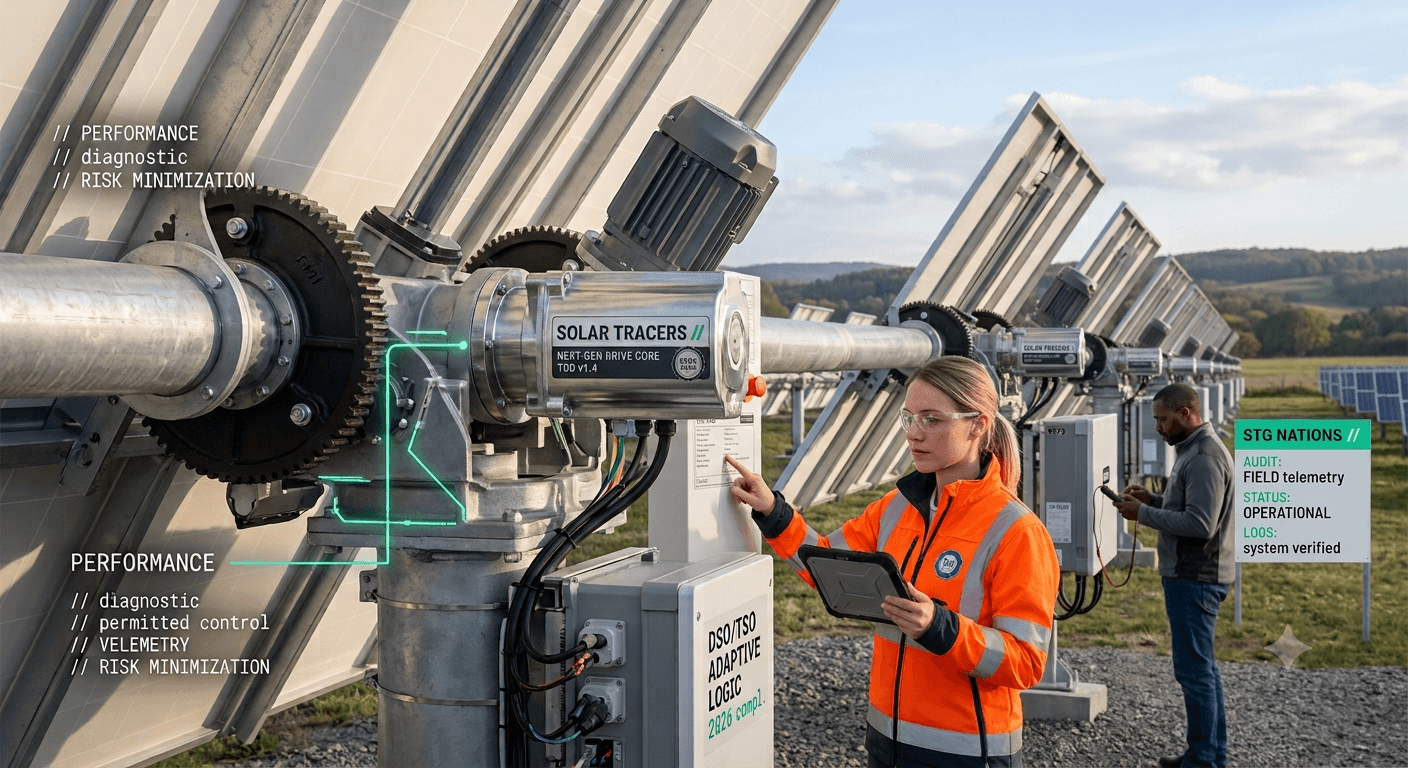
Single-axis trackers improve yield but add mechanical complexity. Motor failures, communication failures between tracker controllers, and software faults in tracking algorithms are the most common O&M issues in operating European solar assets.